


07 Jan Facial eczema – causes, symptoms and prevention
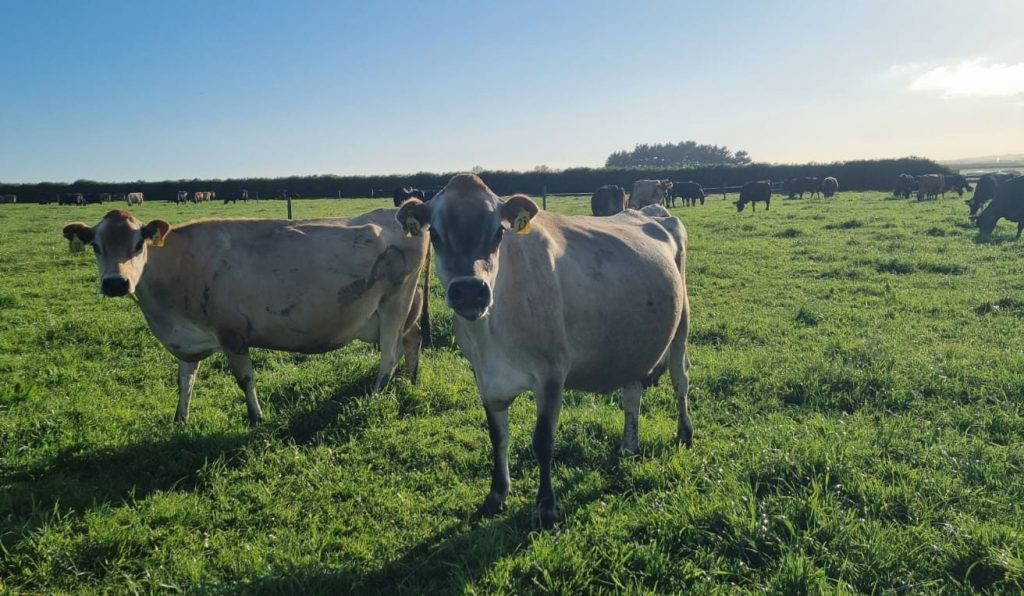
It is that time of the year again where high soil temperatures and high humidity increase the risk of facial eczema in our cows. In this blog post we will look into the causes of facial eczema, symptoms, and prevention. This blog post was originally written by our former science technician Taylah Dagg who has since left us for new adventures in Australia.
- What is Facial Eczema?
Facial eczema in cows is caused by the ingestion of fungal spores which emit a toxin. The fungus Pithomyces chartarum grows in dead plant material at the base of pastures. It thrives in warm and moist conditions, particularly during summer and early autumn. After ingestion, the fungal spores release a toxin, Sporidesmin A, which causes liver and bile duct damage, leading to various symptoms.
- Symptoms of Facial Eczema
Facial eczema can occur symptomatically or asymptomatically. The most common symptoms include inflammation and dryness of unpigmented skin, such as the nose and udder. The skin becomes more sensitive to the sun, leading to sunburn-like symptoms. When cows eat grass, it is broken down into chlorophyll and then eventually phylloerythrin which is then excreted in the bile out of the body. However, due to liver and bile duct damage caused by the spore toxin, phylloerythrin accumulates in the blood and cannot be excreted. It is transported around the body through the blood and can readily absorb light, leading to sun sensitivity, especially in unpigmented areas. Other symptoms include behavioural changes such as restlessness, shade-seeking, tail flicking, kicking cups at milking, and general discomfort. Jaundice and blood in the urine can also occur.
However, not all cows show visible symptoms. It’s estimated that for every symptomatic cow, there are up to ten cows in the herd that have considerable liver damage. This can result in reduced milk production, reduced growth rates and sudden death under stress like for example during calving, without showing visible signs of eczema.
- Prevention of Facial Eczema
The most common method for monitoring facial eczema risk is through regular spore counts. A pasture sample can be shaken in water and then placed in grid microscope slides for counting. Since spores can be easily seen in 10x microscopes the spores are counted, and this can be used to estimate the spores present in the paddock.
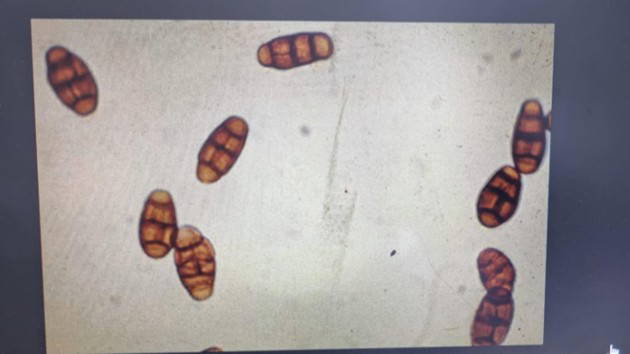
Facial eczema spores seen through the microscope.
During high-risk periods such as summer and early autumn it is recommended that cows are supplemented with zinc for protection against the spore toxin. Zinc works by interacting with the spore toxin to create a stable compound that is unable to cause tissue damage. Zinc can be supplemented through diet, drenching, water or through the use of a bolus which is common in dry stock. An alternative is the use of fungicides which reduce the growth of Pithomyces chartarum spores.
Preventative measures should be started early so that the cows are protected before the spore count reaches toxic levels. Administering zinc through diet, drenching or boluses will give higher protection and is safer than dosing zinc in the water as the cows are more likely to receive the correct dose of zinc. Zinc has a narrow therapeutic window, meaning there is only a small difference between toxic and therapeutic doses.
Spaying of paddocks with a fungicide should only be used when the grass is green and growing and the spore count in the paddocks are below 20,000. Spraying paddocks with high spore counts will reduce the growth of the spores but not remove the toxic level of spores that are already present.
For more information on strategies for prevention of facial eczema see DairyNZ’s web pages:
Facial eczema – DairyNZ | DairyNZ
Facial eczema tolerance is a heritable trait, meaning some cows may be more susceptible to the condition. Some farmers breed genetically superior cows that have less chance of facial eczema damage.
Effective pasture management can also decrease the impact of facial eczema on cows. This can be achieved through preventing hard grazing during high-risk periods by rotating paddocks frequently and avoiding grazing during wet conditions to reduce exposure to the fungal spores.
- Impact of Facial Eczema on Dairy Farming
Facial eczema can be detrimental on a dairy farm due to loss of cows and reduced cow health, decreased milk yield, decrease in income and the costs associated with facial eczema treatments. The liver is essential as it plays a vital role in detoxification, metabolism and regulating and producing glucose and fatty acids which are required for milk production. Since facial eczema targets the liver and damages it, vets often monitor liver function to assess the damage. It may be recommended to dry off cows earlier to reduce the pressure on the liver.
- Conclusion
Facial eczema is a serious condition that can affect our cows, there is no cure, but it can be prevented. This can be achieved through zinc supplementation, effective pasture management, fungicide spraying and drying off earlier. Remember that for every cow that shows visible symptoms of facial eczema there are likely many more in the herd that are asymptomatically affected and may already have liver damage. Keep an eye out for our weekly farm walk notes that are published on the Dairy Trust Taranaki website and Facebook page for weekly facial eczema spore counts across our farms. Let’s keep our cows safe!